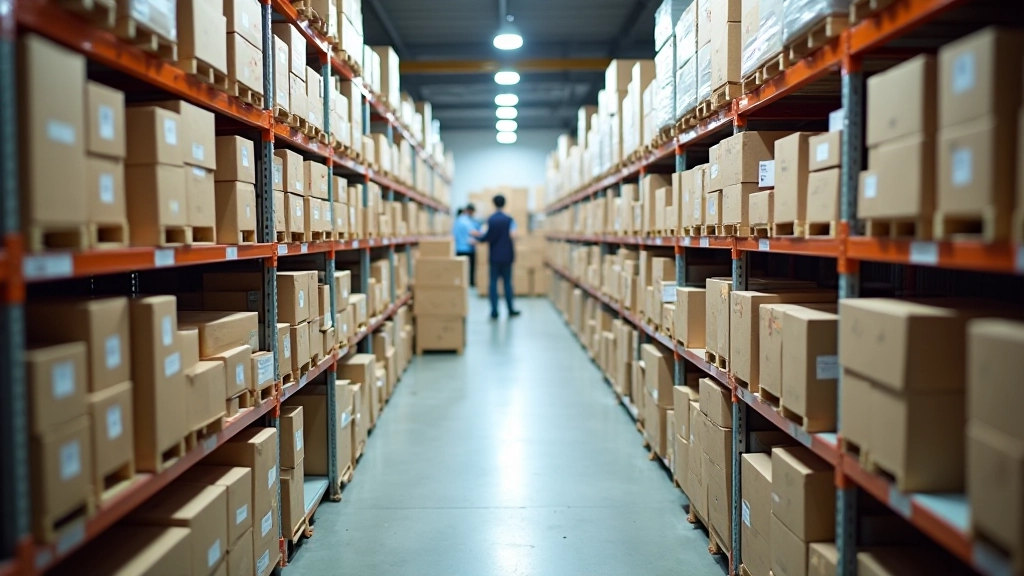

Waste isn't always obvious. You might not see it sitting in a corner. Instead, it hides in your processes — the extra steps nobody questions, the waiting time between tasks, the materials that don't make it to the final product. Most businesses lose money here every single day without realizing it.
The good news? Once you know what to look for, you'll start spotting waste everywhere. And once you see it, you can do something about it.
The Seven Types of Waste
Understanding each one helps you identify problems in your own operations
Overproduction
Making more than you need, more often than you need it. This ties up cash, takes up storage space, and means materials sitting around waiting to be used. You're working hard but not efficiently.
Waiting Time
Work sitting idle waiting for the next step. A part waiting for assembly. A document waiting for approval. A shipment waiting for transport. All that dead time adds up fast — and customers notice the delay.
Unnecessary Movement
Walking back and forth to get tools. Reaching for supplies stored too far away. Poorly organized workspaces force people to waste time moving around. It's tiring and it's expensive.
Over-Processing
Doing more work than the customer actually needs. Extra quality checks nobody asked for. Complicated steps that don't add value. You're polishing something that doesn't need polishing.
Defects and Rework
Making mistakes and having to fix them costs twice. You're paying for the bad work and paying again to correct it. Plus the customer might not wait around for a second attempt.
Excess Inventory
Too much stock sitting on shelves. Materials gathering dust. Cash locked up in things you don't need right now. Storage space is expensive, and inventory can become obsolete.
Unused Potential
Not using your team's ideas and experience. Your people see problems every day but don't have a way to report them. You're missing out on improvements they could suggest.
Spotting Waste in Real Workflows
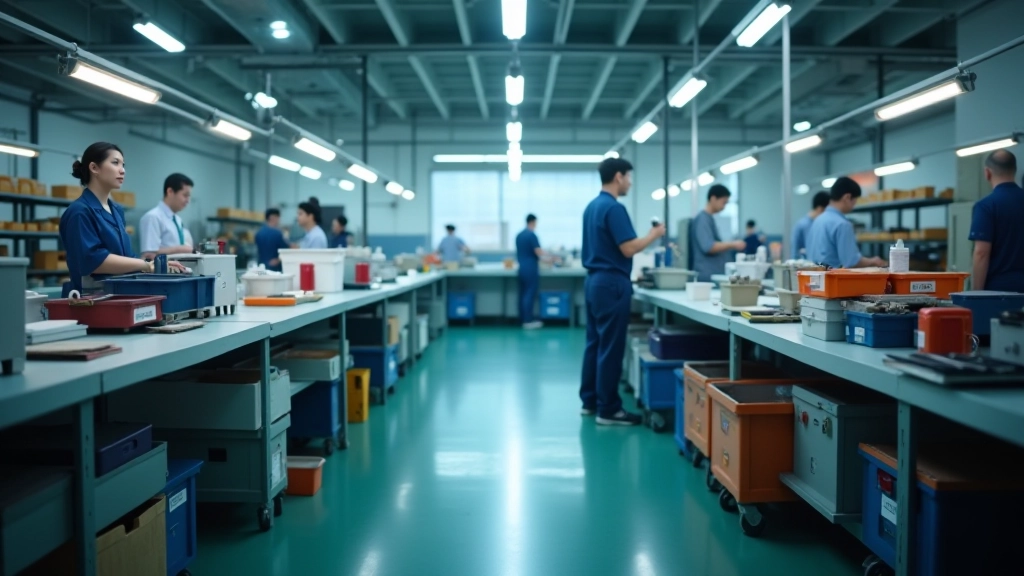
Waste doesn't announce itself. You need to look carefully at how work actually happens — not how you think it happens. Walk through your operation. Watch people working. Ask questions.
Look for patterns. Does the same complaint come up from multiple people? Are certain tasks always taking longer than they should? Is there a step that makes customers frustrated? Those are usually signs of waste.
Start simple. Pick one process — maybe order fulfillment, or production scheduling, or invoicing. Follow it from start to finish. Note every step. Time how long each one takes. Ask the people doing the work what frustrates them. They'll point out waste faster than any consultant.


Simple Tools to Track Waste
You don't need expensive software or consultants. Start with basics. A clipboard and stopwatch work fine.
Create a simple chart. Write down each step in a process. Time how long it takes. Mark which steps add value for the customer and which ones don't. That visual breakdown shows waste clearly. You'll see which steps are necessary and which ones exist just because "that's how we've always done it."
Talk to your team. They're the experts in their own work. They know where things get stuck. They know which steps feel pointless. They know where mistakes happen most often. A 15-minute conversation with someone on the floor gives you more insight than a week of analysis from outside.
Taking Action on What You Find
Finding waste is step one. Actually fixing it is step two. Don't try to fix everything at once — you'll overwhelm yourself and the team.
Pick the biggest problem first. The one that costs the most money or frustrates customers most. Make one change. Give it 2-3 weeks. Measure if it helped. Did inventory drop? Did processing time improve? Did customers complain less? You'll know if it worked.
Then move to the next problem. Small improvements add up. After a few months of steady changes, you'll notice the difference in cash flow, customer satisfaction, and employee morale. People enjoy work more when it isn't bogged down by pointless steps.
A Note on Implementation
The waste types and identification methods described here are based on lean manufacturing principles. Every business is different, and what counts as waste in one operation might be necessary in another. We recommend assessing your specific circumstances, involving your team in the process, and potentially consulting with someone experienced in lean practices if you're making significant operational changes. This guide is educational — it's meant to help you understand waste concepts, not serve as a complete business strategy.
Start Looking, Start Improving
Waste is costing you money right now. The longer you ignore it, the longer you stay inefficient. But you don't need a massive overhaul to make progress. You need to see the problem clearly, involve your team, and make small improvements consistently.
Walk through your operation this week. Pick one process. Watch it happen. Ask questions. You'll find waste. And once you see it, you can't unsee it. That's when real improvement starts.
Ready to dive deeper into process improvement?
Read the Value Stream Mapping Guide